Ever bought a gadget that looked slick but performed like a potato? Consumer electronics testing is the unsung hero that keeps those devices from ending up as impressive paperweights. In an age where technology evolves faster than a cat meme goes viral, ensuring that our beloved gadgets meet quality standards is crucial. You wouldn’t want a washing machine that suddenly decides to vacuum your living room instead, would you? Let’s jump into the intriguing world of consumer electronics testing, where validation meets innovation, and find out why it’s more essential than ever.
Understanding Consumer Electronics Testing
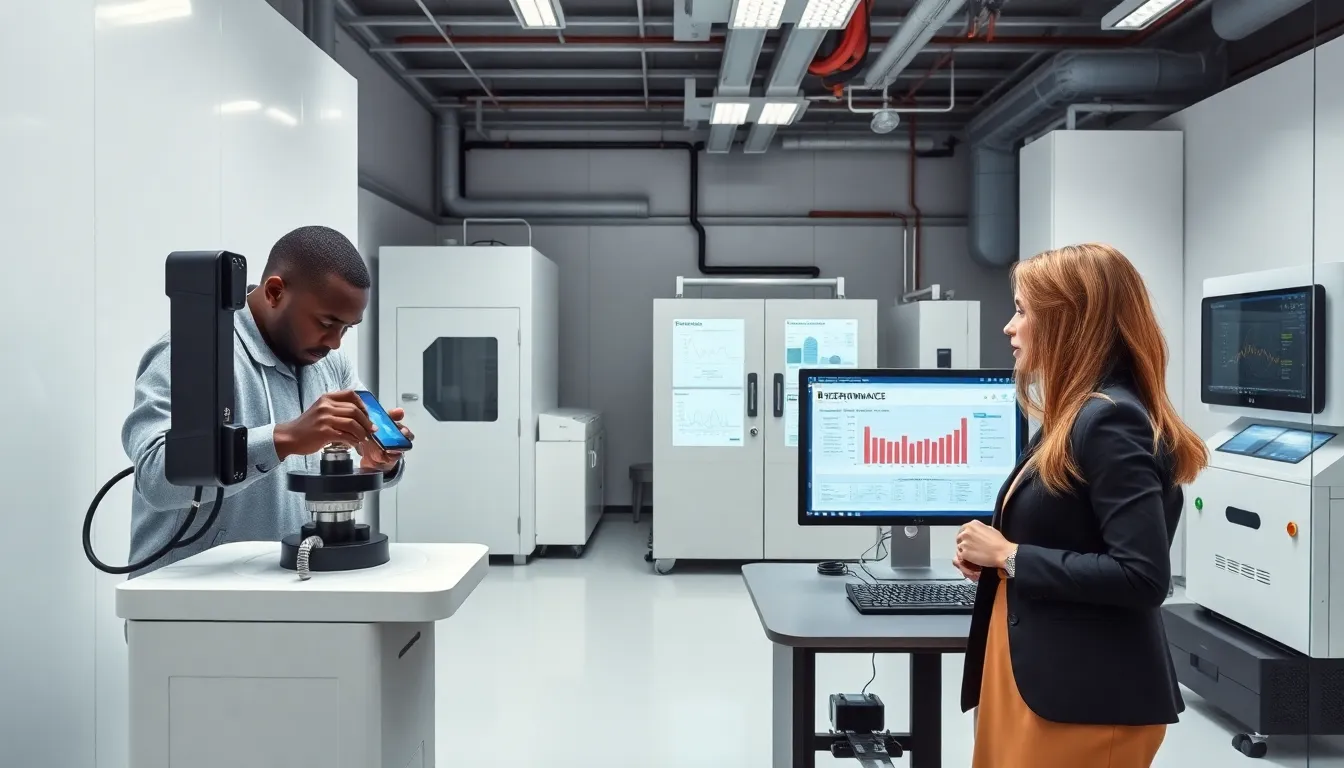
Consumer electronics testing encompasses a range of practices that evaluate the performance, safety, and reliability of electronic products before they hit the shelves. The process typically involves assessing devices such as smartphones, laptops, appliances, and wearables under various conditions. Testing is not merely a box-checking exercise: it’s about understanding how these gadgets operate in real-world scenarios. Manufacturers carry out rigorous testing protocols to ensure their products can withstand everyday use. Without this crucial step, manufacturers run the risk of delivering defective products to consumers, which can severely impact brand reputation and customer loyalty.
Importance of Testing in Consumer Electronics
Testing in consumer electronics is vital on several fronts. Firstly, it ensures user safety. Devices that overheat, short-circuit, or malfunction pose legitimate dangers, and proper testing helps to mitigate these issues. Secondly, reliability is paramount. When consumers invest their hard-earned money into electronics, they expect the products to perform consistently. This leads to customer satisfaction and trust, which are invaluable to brands. Besides, rigorous testing contributes to the overall quality of devices, enhancing user experience and paving the way for innovations in design and functionality. It’s a win-win situation for both consumers and manufacturers.
Types of Testing in Consumer Electronics
Consumer electronics testing can be categorized into several types, including:
Functional Testing
This checks if the device operates according to its specifications. It covers all the features the product is supposed to have and whether they work as intended.
Performance Testing
This verifies that the product meets performance benchmarks, assessing factors like speed, battery life, and overall functionality during regular usage.
Stress Testing
Designed to identify limits, this type evaluates how products respond under extreme conditions, such as high temperatures or heavy usage.
Compliance Testing
This ensures that products meet regulatory and safety standards, making it essential for entry into various markets.
Environmental Testing
This examines how devices operate under different environmental conditions, such as humidity, dust, and extreme temperatures.
Each type of testing plays a crucial role in delivering a reliable and high-quality consumer electronic product.
Testing Standards and Compliance
In the world of consumer electronics, testing standards are pivotal. Standardization bodies, such as the International Organization for Standardization (ISO) and Underwriters Laboratories (UL), establish guidelines that manufacturers must follow. These standards serve multiple purposes: they enhance product safety, ensure interoperability, and maintain consistency across the industry. Compliance with these standards is not optional: failing to meet them can result in costly recalls and legal troubles. Also, consumers increasingly look for certified products as a mark of quality. So, adhering to testing standards isn’t just good practice: it’s vital for market success.
The Testing Process: A Step-by-Step Guide
The consumer electronics testing process can be broken down into manageable steps. Here’s a concise guide to how it usually unfolds:
- Initial Design Review
At the onset, designers and engineers review the product to identify potential issues.
- Prototype Testing
Early prototypes undergo testing to validate design and functionality, addressing any flaws before mass production.
- Pre-production Testing
A small batch of pre-production units is tested under various conditions, focusing on performance reliability.
- Full-scale Testing
Once production ramps up, quality assurance teams run comprehensive tests to ensure compliance with standards.
- Field Testing
Final products are evaluated in real-world environments to gauge usability and performance.
- Market Launch
After passing all tests, the products are ready for launch, backed by a solid foundation of quality assurance.
Challenges in Consumer Electronics Testing
Even though the importance of testing, the landscape is fraught with challenges. Rapid technological advancements mean that testing methods must continually evolve. Also, the development cycle for consumer electronics is becoming shorter, often leading to time constraints that can compromise thorough testing. Budget constraints can also pose a significant hurdle, along with the increasing complexity of products that requires more intricate testing procedures. Finally, varying regulations across different markets add another layer of difficulty. To navigate these challenges, manufacturers are increasingly adopting agile testing techniques and investing in automation to streamline processes.
Future Trends in Consumer Electronics Testing
As the consumer electronics industry evolves, so too will testing methodologies. One of the most significant trends is the rise of AI and machine learning. These technologies promise to enhance testing efficiency, enabling faster and more accurate assessments. Plus, the surge in smart devices demands that testing protocols adapt to new forms of connectivity and interoperability. Sustainability is also becoming a critical focus, with eco-friendly testing practices gaining traction. Embracing these trends not only enhances product quality but also positions manufacturers to meet future market demands.