Imagine walking into a bustling restaurant where every table shines, customers are happy, and staff members glide seamlessly from table to table like pros. Looks easy, right? Well, behind the scenes, there’s a superhero working tirelessly – restaurant table management software. This nifty tool doesn’t just organize tables: it transforms how restaurants operate and keeps the order in the chaos. If you’re curious about how this software can help turn your restaurant into the talk of the town, you’re in the right place.
Understanding Restaurant Table Management Software
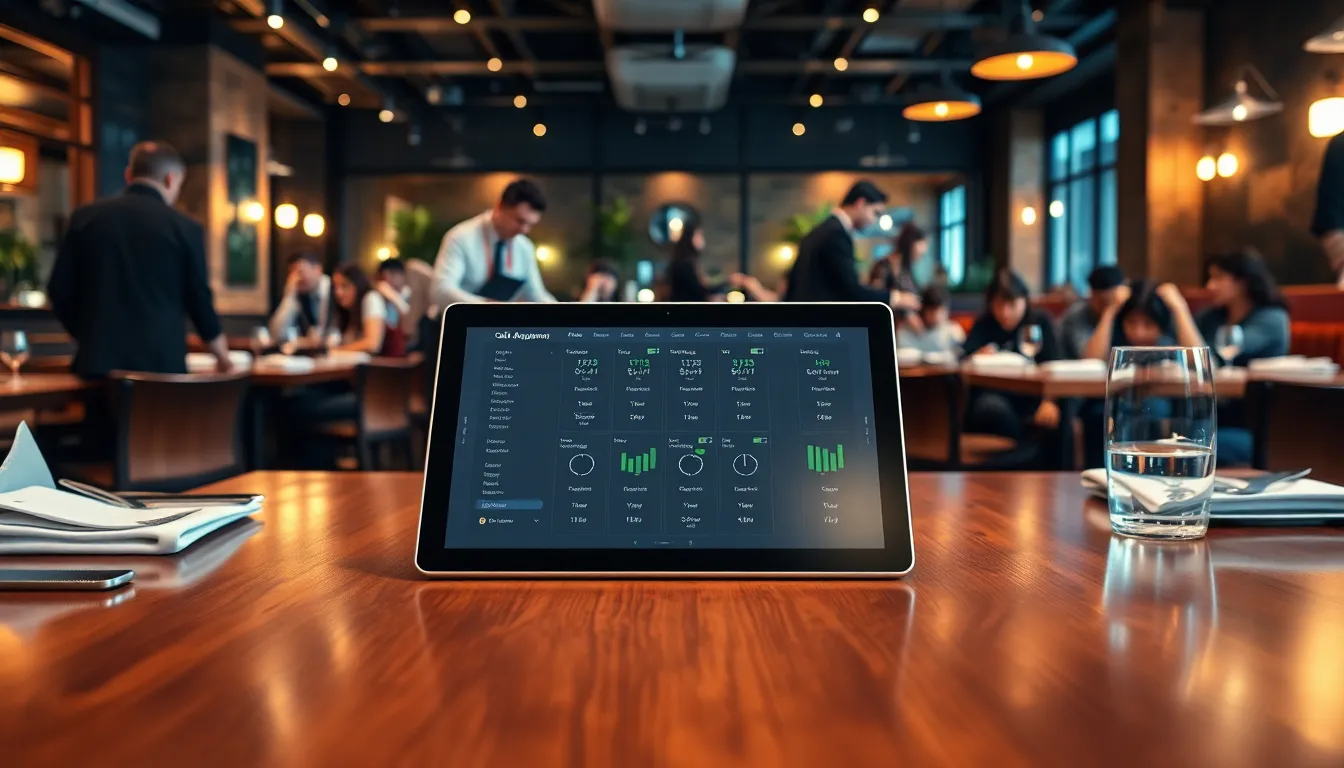
Restaurant table management software is the unsung hero of hospitality technology. At its core, this software is designed to handle reservations, manage seating arrangements, and optimize table turnover. By streamlining these essential tasks, it allows restaurant staff to focus on providing stellar service rather than juggling back-end processes. But it doesn’t stop there: many of these systems offer features like waitlist management, customer preferences tracking, and even analytics to help decision-making. Whether it’s a cozy café or a sprawling fine-dining establishment, table management software adapts to varying operational demands, making it crucial for maximizing efficiency.
Key Features of Table Management Software
The best table management systems boast a variety of powerful features that cater to the diverse needs of restaurants. Here are several key components:
- Reservations Management: This feature allows customers to book tables easily, reducing no-shows by sending reminders and confirming reservations automatically.
- Table Visualization: A clear, visual layout of the restaurant makes it easy for staff to see which tables are occupied, reserved, or available at a glance.
- Customer Relationship Management: By maintaining customer history and preferences, restaurants can personalize experiences, enhancing guest satisfaction.
- Real-time Analytics: Valuable insights derived from data can drive decisions about staffing, menu changes, and seating arrangements to optimize service.
- Integration Capabilities: Modern systems often integrate with other software, such as POS systems and event management tools, facilitating seamless operations across departments.
Benefits of Using Table Management Software
Utilizing restaurant table management software brings forth a multitude of benefits that go beyond mere organization. First and foremost, it enhances customer satisfaction by ensuring that guests are seated in a timely manner. Competing in the restaurant industry means every second counts. Secondly, it improves operational efficiency: staff can spend less time managing logistics and more time focusing on diners. Also, data analytics provide owners with actionable insights, like peak hours and customer preferences, which can guide strategic decisions.
Also, effective table management increases turnover rates without compromising the quality of service. By achieving the sweet spot of seating efficiency, restaurants can serve more customers while maintaining a pleasant dining experience.
Challenges in Implementing Table Management Software
While the benefits are plentiful, implementing table management software can present challenges. Change management stands at the forefront of these obstacles. Staff members accustomed to traditional methods may resist transitioning to a tech-based system. Proper training and ongoing support are vital to mitigate this issue.
Another challenge is ensuring compatibility with existing systems. If a restaurant employs multiple software tools, integration can be tricky, leading to a fragmented experience. Besides, budget constraints may limit the choice of tools available, especially for smaller establishments. As restaurants weigh the long-term benefits against upfront costs, it’s essential to analyze ROI carefully.
Choosing the Right Table Management Software
Selecting the right table management software can feel overwhelming with the multitude of options available. Restaurants should start by identifying their specific needs. For example, a fast-casual restaurant may prioritize a straightforward reservation system, while a high-end restaurant might want advanced analytics and customer relationship features.
Before purchasing, establishing a budget and determining any pertinent integration requirements are crucial. Demoing various software systems can provide a tangible feel for each option, allowing decision-makers to evaluate usability and support offerings. It’s also beneficial to read reviews from other restaurant owners to gauge the efficacy of specific tools.
Integrating Table Management Software with Other Systems
For table management software to be most effective, it should integrate seamlessly with existing systems. This includes point-of-sale (POS) systems, kitchen display systems, and customer relationship management software. Integration enhances data flow between systems, eventually leading to more accurate reporting and streamlined operations.
Also, an integrated system can allow for easier updates and more comprehensive management of resources, reducing the need for repetitive data entry. Ensuring compatibility and open communication between systems can lead to a smoother operation and happier customers.
Future Trends in Restaurant Table Management Software
The landscape of restaurant table management is continuously evolving. One trend gaining traction is the incorporation of artificial intelligence (AI) and machine learning to better predict seating patterns and customer behavior. By analyzing vast data sets, these technologies can inform staff scheduling and menu adjustments based on anticipated demand.
Also, mobile capabilities are becoming more prominent. Consumers appreciate when they can make reservations, check wait times, or view menus from their phones. In the coming years, expect to see even more user-friendly interfaces and innovative features designed to enhance the dining experience. Besides, as sustainability takes center stage, table management software will likely incorporate options for eco-friendly practices, catering to environmentally-conscious diners.